
全球足球实力最弱国家盘点与分析探讨
在全球足球的舞台上,各国球队的实力差异显著,一些国家因为种种原因,足球水平相对较弱。本文将从多个方面对全球足球实力最弱的国家进行盘点与分析,探讨造成这些国家球队实力不足的原因。首先,我们将回顾一些足球历史较短、缺乏传统和基础设施的国家;其次,分析经济因素对足球发展的影响;然后,探讨文化和社会环境如何限制了足球的发展;最后,我们将关注青训系统不健全的问题,这直接影响到年轻球员的成长和发展。通过这些方面的研究,我们能够更全面地理解全球足球实力最弱国家背后的深层原因。
1、历史背景与传统
许多全球最弱的足球国家往往是由于其历史背景相对较短而导致的。比如一些新兴国家,虽然在政治上独立,但在体育尤其是足球领域却缺乏悠久的发展历史。这些国家通常没有形成强大的足球文化和传统,因此很难培养出高水平的球员。
此外,很多小国即使有参与国际比赛的机会,但由于缺乏足够的人才储备和竞技经验,他们常常在国际赛场上遭遇惨败。例如,一些岛国或者面积狭小且人口稀少的小国,其国内联赛水平低下,使得球员难以获得锻炼机会。
因此,在这种情况下,这些国家只能依赖外援或归化球员来提升竞争力,但这一策略并不能从根本上解决问题,因为归化球员无法真正融入当地俱乐部体系,也无法培养出本地人才。
2、经济因素影响
经济状况是制约一个国家体育发展的重要因素之一。许多足球实力较弱的国家普遍面临财政困难,政府对于体育事业投入不足。在这样的背景下,青少年培训、场地建设等基础设施都难以得到保障,从而延缓了整体竞技水平的提高。
例如,一些非洲和加勒比海地区的小国,由于经济基础薄弱,不仅缺乏专业教练,还无法提供良好的训练条件。这使得即便有天赋的年轻球员也难以得到充分训练,无法进入更高水平的比赛体系。
与此同时,这些地方也常常会出现贪腐现象,使得原本应投入到体育事业中的资金被挪用。这不仅抑制了体育的发展,也让普通民众失去了参与体育活动及观看赛事的热情,从而造成恶性循环。
3、文化与社会环境
Cultural factors also play a significant role in the development of football. In some countries, other sports or activities might be more popular or culturally significant, leading to less interest in football. For instance, in regions where traditional sports are prioritized, young people may not see football as an attractive career path.
Additionally, social issues such as instability and conflict can further hinder the development of football. In war-torn countries or those experiencing civil unrest, resmksport平台ources that could have been used for sports are often diverted to address more pressing needs. This results in a lack of focus on building a robust football infrastructure.
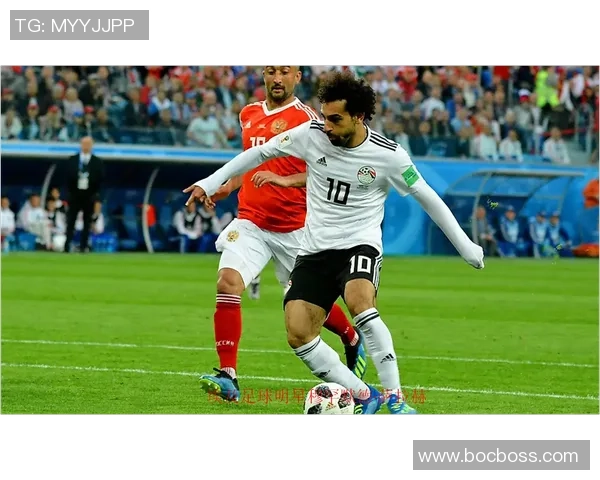
The overall societal attitude towards sports also matters. If communities do not value teamwork or competitive spirit, it becomes challenging to foster a thriving football culture, which is essential for nurturing talent and developing successful teams.
4、青训系统欠缺
A well-structured youth training system is crucial for any nation's success in football. However, many of the weakest footballing nations struggle with inadequate youth academies and training programs. Without proper coaching and facilities, young talents may never realize their full potential.
This lack of investment in youth development means that even if a few talented individuals emerge from these countries, they often do not receive the necessary support to compete at higher levels. Consequently, many promising players either leave their home countries for better opportunities elsewhere or abandon their ambitions altogether due to limited prospects.
The absence of a strong youth system perpetuates the cycle of mediocrity, preventing these nations from ever improving their standings in international competitions. Without addressing these foundational issues, it becomes nearly impossible for them to climb up the ranks in global football.
总结:
综上所述,全球足球实力最弱国的问题是多方面且复杂的。从历史背景到经济因素,再到文化环境及青训系统,每一个环节都是制约这些国家走向成功的重要因素。因此,要想改善局面,需要各方共同努力,提高对体育事业尤其是足球发展的重视程度,以期为未来创造更多机会。
唯有通过全面提升基础设施建设,加强青少年培训,以及改善社会文化氛围,这些处于劣势地位的国家才能逐步走出困境,实现自身在国际舞台上的突破与发展。只有这样,才能期待看到更多来自这些地区的新星崭露头角,为世界足球增添新的活力与希望。